

Indiana Supreme Court Denies Transfer After Oral Argument
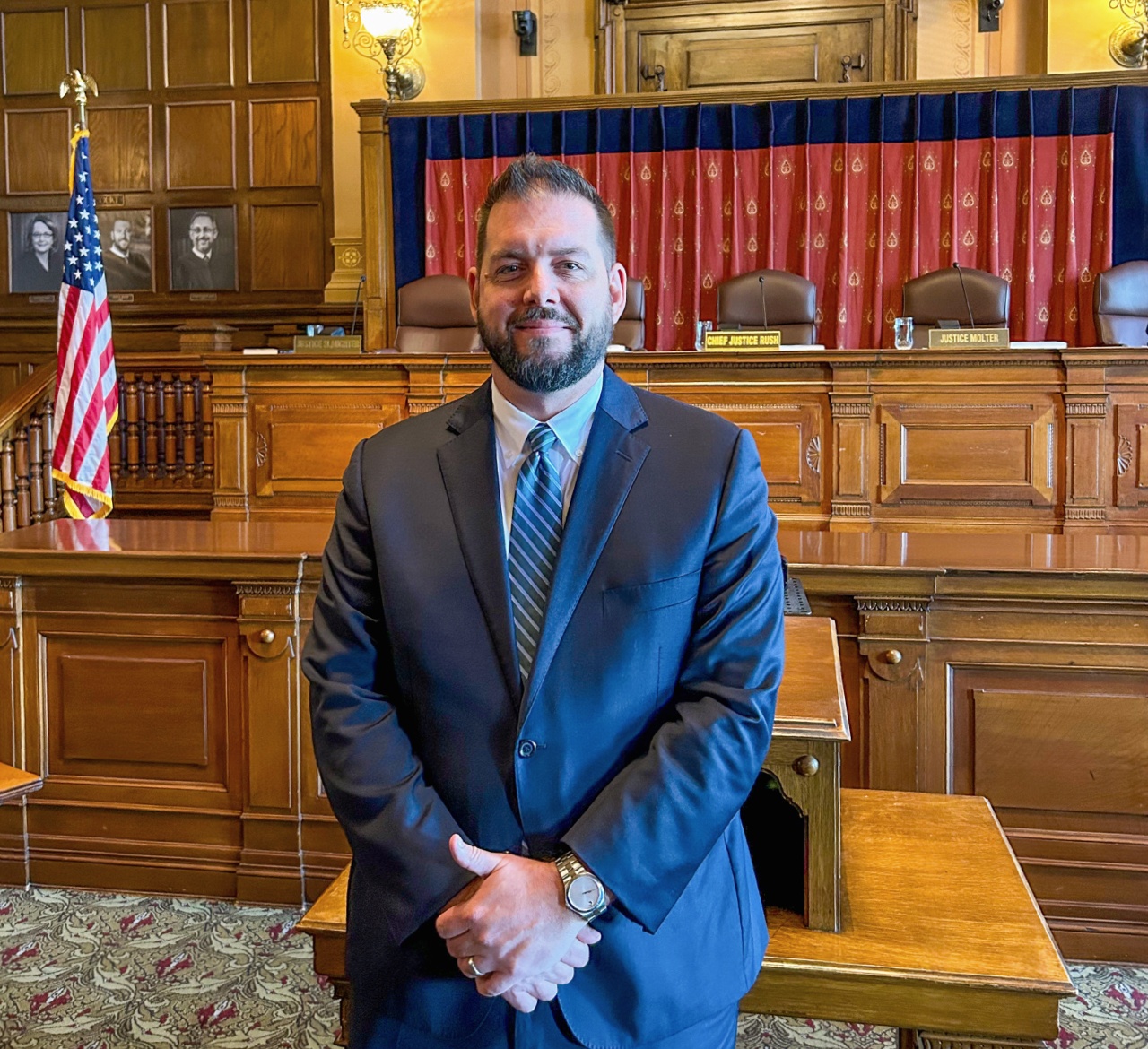
Burt Blee is pleased to recognize an important appellate victory secured by Partner Jared Baker on behalf of clients in an Indiana property dispute involving deed reformation, unilateral mistake, and the ownership of family farm property.
On May 28, 2026, the Indiana Supreme Court heard oral argument in the matter. Following argument, the Court entered an Order Denying Transfer. That decision left the Indiana Court of Appeals ruling in place, resulting in a win for Jared Baker’s clients and adding important guidance to Indiana law surrounding unilaterally gifted deeds.
The case addressed a significant question: can a deed be reformed when a property owner makes a unilateral mistake in gifting real estate? The Court of Appeals answered yes under the facts of this dispute, and the Indiana Supreme Court’s denial of transfer allowed that ruling to stand.
Background of the Property Dispute
The dispute involved family-owned farm property in Allen County. Within a short period of time, the property owner recorded two deeds involving the same real estate.
The first deed conveyed an interest in the farm to all four of the owner’s children. However, that deed contained a faulty legal description. A second deed later corrected the legal description and excluded one child from receiving an interest in the farm.
During that same period, the property owner also executed a will that expressly excluded that child from inheriting any interest in the farm.
After the property owner passed away, the conflicting deed records created a cloud on the property’s title. A sale of the farm failed because of the title issue. The excluded child then sued the siblings, claiming entitlement to a portion of farm profits and rents.
In response, the siblings counterclaimed and asked the court to reform the deed, so it reflected the property owner’s intent.
The Trial Court’s Ruling and the Appeal
The trial court initially entered summary judgment in favor of the excluded child. Jared Baker and the appellate team challenged that ruling on behalf of the siblings.
The Indiana Court of Appeals reversed the trial court’s decision. The appellate court found that the siblings had presented clear and convincing evidence that the property owner made a unilateral mistake in the first deed.
The Court of Appeals determined that the second deed corrected two key issues. First, it corrected the legal description of the property. Second, it corrected the intended recipients of the gift by excluding one child, which matched the property owner’s stated intent in the will.
That ruling was a significant win for Jared’s clients because it recognized that the first deed did not accurately reflect the property owner’s intent when gifting the property.
Why the Supreme Court’s Denial of Transfer Matters
The opposing party asked the Indiana Supreme Court to accept jurisdiction over the appeal. The Court heard oral argument on May 28, 2026, giving the Justices an opportunity to question counsel and evaluate whether the case should be taken up by the state’s highest court.
After oral argument, the Indiana Supreme Court denied transfer. As a result, the Court of Appeals decision remains in place.
For Jared Baker’s clients, this meant the appellate victory stood. For Indiana property owners, families, and litigants, the case provides important direction on how Indiana courts may address mistakes in gift deeds.
New Guidance on Unilaterally Gifted Deeds in Indiana
This case is important because gifted property transfers can raise different issues than negotiated real estate transactions. In a typical sale, both parties exchange value and usually sign documents reflecting mutual obligations. A gift deed, by contrast, involves a donor voluntarily transferring property.
When a mistake appears in a gifted deed, the central issue may become whether the deed truly reflects the donor’s intent.
Here, the evidence showed that the property owner intended to exclude one child from receiving an interest in the farm. The will reflected that intent. The second deed reflected that intent. The corrected legal description also showed that the first deed contained errors that needed to be addressed.
The Court of Appeals concluded that reformation was available based on the property owner’s unilateral mistake. The Indiana Supreme Court’s denial of transfer leaves that ruling in place and provides meaningful guidance for future disputes involving gift deeds, family property, and title issues.
Appellate Advocacy That Protects Client Interests
Property disputes can become especially difficult when they involve family members, estate planning documents, and title defects. These cases often require a careful review of the record, a clear understanding of Indiana property law, and strong appellate advocacy.
Jared Baker’s work helped protect his clients’ interests and preserve the outcome the property owner intended.
At Burt Blee, our attorneys represent clients in litigation, appeals, real estate disputes, business matters, estate related conflicts, and other legal matters where preparation and experience matter. Whether a case is resolved at trial or requires appellate review, our team is prepared to guide clients through each stage of the process.
Speak With Burt Blee About a Property Dispute or Appeal
If you are involved in a dispute over real estate, deeds, inherited property, title issues, or an unfavorable trial court ruling, our attorneys can help you understand your options.
Contact Burt Blee today to speak with our team about your legal matter.